Category Archives: Holidays in Mexico

All Saints’ Day, Día de Todos los Santos

November 1 – All Saints’ Day, Día de Todos los Santos – All Saints’ Day

Dead relatives and loved ones 18 years and younger are honored on All Saints’ Day, which precedes Day of the Dead. Candles, food, and flowers are left on graves and altars. This day, like many, blends ancient pre-Columbian and Catholic traditions. It is not a state holiday.
all-saints-painting

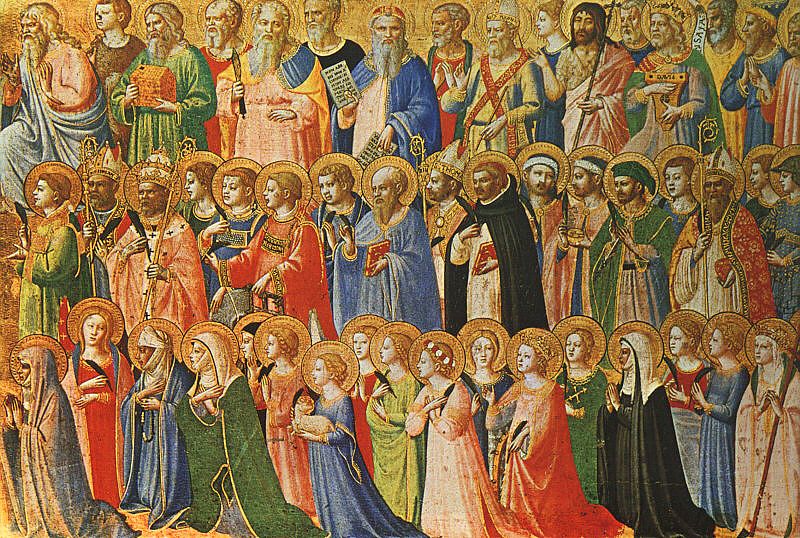
All Saints – The Forerunners of Christ with Saints and Martyrs (about 1423-24) Tempera on wood, 31,9 x 63,5 cm. Painting by Fra Angelico in the National Gallery, London. Photo:  https://en.wikipedia.org/

All Saints’ Day (also known as All Hallows, Solemnity of All Saints or The Feast of All Saints) is a solemnity celebrated on November 1st by the Catholic Church, and on the first Sunday after Pentecost in Eastern Catholicism, in honour of all the saints, known and unknown. All Saints’ Day is the second day of Hallowmas, and begins at sunrise on the first day of November and finishes at sundown. It is the day before All Souls’ Day.
https://en.wikipedia.org/wiki/All_Saints%27_Day



Halloween, Día de las Brujas

October 31 – Halloween –  (Día de las Brujas)

Halloween (Día de las Brujas) is hailed mainly as a children’s festivity in Mexico on October 31

Halloween is celebrated among Mexican children who wear costumes when they go trick-or-treating to people’s homes, asking for candy. When they trick-or-treat at each door, they shout, “we want Halloween” (queremos Halloween).

halloween-night-costumes

Halloween background with silhouettes of children trick or treating in Halloween costume.
Photo: BigStockPhoto.com / Dazdraperma

Toys and candy that are made to resemble skeletons, coffins, and the personification of death (La Muerta) are found in many stores at this time of the year. Candles, paper wreaths and seasonal flowers are also sold for the Day of the Dead celebrations, which start as early as the evening of Halloween. www.timeanddate.com/holidays/mexico/halloween

Halloween, a contraction of “All Hallows’ Evening”,  also known as All Hallows’ Eve,  is a yearly celebration observed in a number of countries on 31 October, the eve of the Western Christian feast of All Hallows’ Day, or All Saints’ Day. It initiates the triduum of Hallowmas, the time in the liturgical year dedicated to remembering the dead, including saints (hallows), martyrs, and all the faithful departed believers. Partial source: en.wikipedia.org/wiki/Halloween

In the eighth century, Pope Gregory III designated November 1 as a time to honor all saints and martyrs; the holiday, All Saints’ Day, incorporated some of the traditions of Samhain. The evening before was known as All Hallows’ Eve and later Halloween. Over time, Halloween evolved into a secular, community-based event characterized by child-friendly activities such as trick-or-treating. In a number of countries around the world, as the days grow shorter and the nights get colder, people continue to usher in the winter season with gatherings, costumes and sweet treats.  www.history.com/topics/halloween

Dia de la Raza, Descubrimiento de América, Columbus Day

October 12 – Dia de la Raza, Descubrimiento de América, Columbus Day

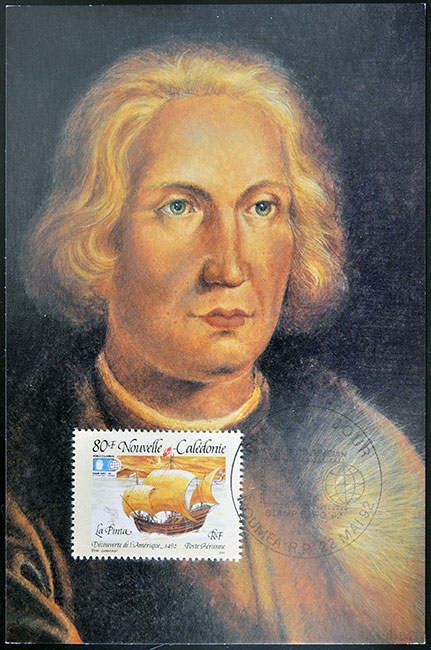
FRANCE - CIRCA 1992: A stamp printed in New Caledonia dedicated to discovery of America shows the ship the Pinta and the portrait of Christopher Columbus circa 1992; Photo:  BigStockPhoto.com / Neftali

FRANCE – CIRCA 1992
Christopher Columbus.
Photo: BigStockPhoto.com / Neftali

As in the United States, Columbus Day commemorates the discovery of the Americas in 1492 by the Italian navigator Christopher Columbus.

Columbus Day commemorates when Italian explorer Christopher Columbus (Cristóbal Colón in Spanish) landed on an island in the Bahamas on October 12, 1492. He was not the first person to discover the Americas but he established contact between Renaissance Europe and the indigenous peoples he encountered.

Photo on right:
A stamp printed in New Caledonia dedicated to discovery of America shows the ship the Pinta and the portrait of Christopher Columbus circa 1992. 


christopher-columbus-statue-9707-2

Christopher Columbus Statue in Barcelona Spain.
www.bigstockphoto.com by bbourdages

The date Columbus arrived in the Americas is celebrated in many countries in Latin America. The most common name for the celebration in Spanish (including in some Latin American communities in the United States) is the Día de la Raza (“day of the race” or “day of the [Hispanic] people”), commemorating the first encounters of Europeans and Native Americans. The day was first celebrated in Argentina in 1917, Venezuela and Colombia in 1921, Chile in 1922, and Mexico in 1928. The day was also celebrated under this title in Spain until 1957, when it was changed to the Día de la Hispanidad (“Hispanity Day”), and in Venezuela until 2002, when it was changed to the Día de la Resistencia Indígena (Day of Indigenous Resistance). Originally conceived of as a celebration of Hispanic influence in the Americas, as evidenced by the complementary celebrations in Spain and Latin America, Día de la Raza has come to be seen by some in Latin America as a counter to Columbus Day; a celebration of the resistance against the arrival of Europeans in the Americas and of the native races and cultures.
Source: https://en.wikipedia.org/wiki/Columbus_Day

stamp-columbus-latin-america-6934-2

Stamp circa 1992.
Photo: www.bigstockphoto.com by Neftali.

Civic Holiday:
Like statutory holidays, these are observed nationally. But, unlike statutory holidays, it is not mandatory to provide employees with a paid day off or holiday pay.

Photo on right:
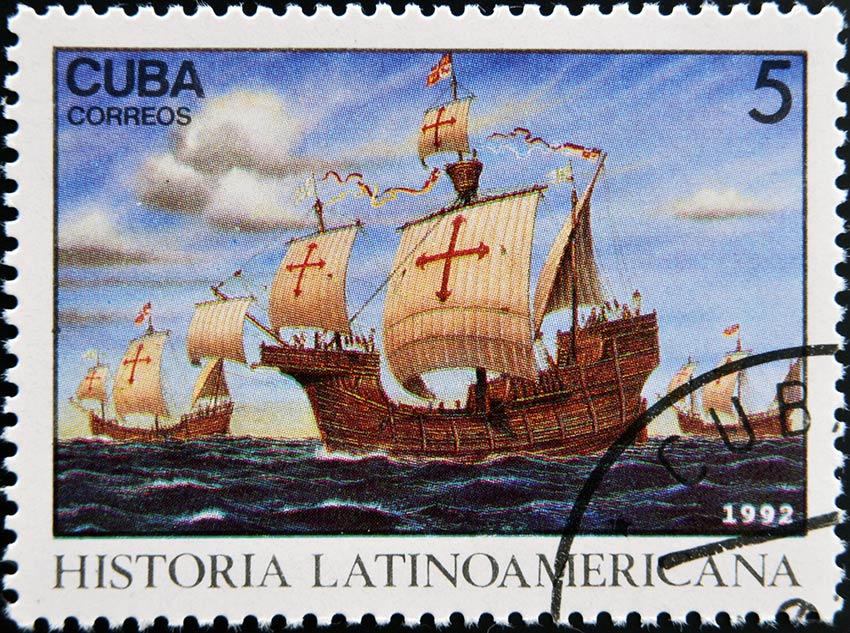
A stamp printed in Cuba dedicated to Latin American history shows three ships stopping at Canary Islands.

Festival or Fiesta de Cabo San Lucas

October 18 – Cabo San Lucas Festival,  Fiesta de Cabo San Lucas

This festival celebrates Saint Luke, the patron saint of  Cabo https://viagracanadausa.com/ San Lucas (which means “Cape of Saint Luke”). Every October 18th, streets are closed off downtown for a parade. The festival features dancing, music and food vendors.

The festival usually includes a top musical performer, the coronation of the San Lucas Festival Queen, and numerous special events that take place over the 4 day  long party that occurs every late October.

Festival de Cabo San Lucas – Photo: Chris Sands

Fiesta de Cabo San Lucas, October 18, 2014. Photo: Chris Sands

Fiesta de Cabo San Lucas, October 18, 2014. Photo: Chris Sands

Grito de Dolores, The Cry of Dolares

September 15 – Grito de Dolores, The Cry of Dolares

Mexico’s War of Independence officially began on September 15, 1810, when the priest Miguel Hidalgo y Costilla rang a bell and cried out to the townspeople to take up arms and rise up against the Spanish Crown, an event which is known as el grito de Dolores (the cry of Dolores), named after the town in Guanajuato where it took place. In the early hours of September 16, 1810, father Hidalgo, accompanied by several conspirators – Ignacio Allende, Doña Josefa Ortiz de Domínguez- rang the bell of his little church, calling everyone to fight.

Closeup of the Bell on National Palace Building in Mexico City

Closeup of the Bell on the National Palace Building in Mexico City.
Photo: BigStockPhotos.com | nphotographer

Also known as the day of the Shout of Dolores, this event is celebrated on the night of September 15, when the Mexican president rings a bell at the National Palace in Mexico City at 11pm. The president then shouts the cry of patriotism, based on the Cry of Dolores, also called the cry of independence. The following day, Independence Day, is a public holiday in Mexico.


Civic Holiday: Observed nationwide, but employees are not entitled to a day off with pay.